Table of Content
Your emergency numbers should include 911, your healthcare provider, and your medical supply company. Turn the tank off right away if it is knocked over and makes a hissing noise. If the regulator breaks or you can't safely turn the tank off, remove the tubing and leave the room. Then call the supply company or the fire department right away.
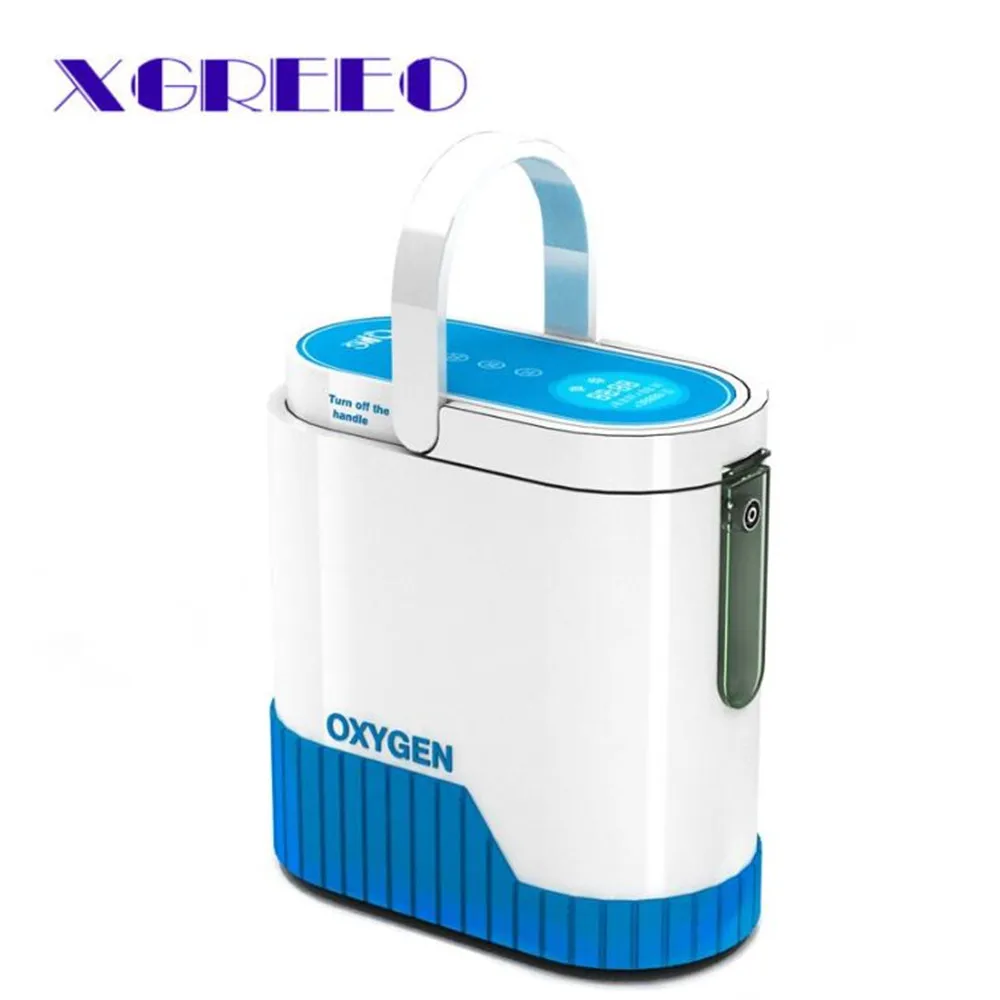
If you are not sure if the oxygen is flowing, do a simple test. As long as the place you are at has 110–120 volt electricity, you should be able to refill your oxygen tank. Refilling at home is ideal since you won’t have to haul the necessary equipment with you. While your oxygen concentrator will likely come with a tank, it never hurts to have a backup. Amica’s HomeFill Post Valve Cylinder comes in a multitude of sizes, with the largest one holding almost 16 hours’ worth of oxygen. Select the right size for your needs and always be prepared for a refill.
Health Solutions
Know the facts and make the best choice between oxygen concentrators and oxygen tanks. Which ever type of equipment you select be sure to follow all safety guidelines to prevent an accident. Your healthcare provider has prescribed oxygen. You were shown in the hospital how to use your oxygen unit.
Gaseous oxygen is a colourless, odourless and tasteless gas. Oxygen is not flammable, but oxygen supports combustion and will cause other materials to burn faster and hotter than normal. When you are using oxygen, the oxygen concentration around both you and your equipment is greater than room air, creating an oxygen-enriched environment.
Patient Education
It may be possible to use a small, portable oxygen cylinder outside your home. This is called portable oxygen or ambulatory oxygen. Don't use lotions or creams that contain petroleum jelly. This substance can be flammable when mixed with pure oxygen.
Many people receive an oxygen concentrator for home oxygen therapy. This machine can reside in a discreet corner and deliver oxygen to your nose through a long tube that can reach throughout the home. Ask your medical supply company how often to change your cannula tubing, cannula, and humidifier bottle, if you have one. Always follow the instructions for safe use as recommended by your medical supply company. Not using oxygen safely at home can put you and your neighbors at higher risk for fires and burns.
Benefits of Filling Your Own Oxygen Tanks
Whether you are using oxygen for healthcare or recreation, an empty tank will not do you any good. If you are on oxygen therapy, use a home refill system to fill your tanks yourself. The most common are a home fill device attached to an oxygen concentrator or a liquid oxygen machine.

This revolutionary device is best used for 5 or 10-liter concentrators and ensures 90% or above oxygen purity. Through our home medical equipment teams, VITAS provides home medical equipment, including oxygen cylinders, to our patients as part of the Medicare hospice benefit. Our dedicated team members also provide training and support on using the equipment. Read the manufacturer’s instructions before operating your system. Liquid oxygen systems vary widely in design and use.
Using oxygen safely
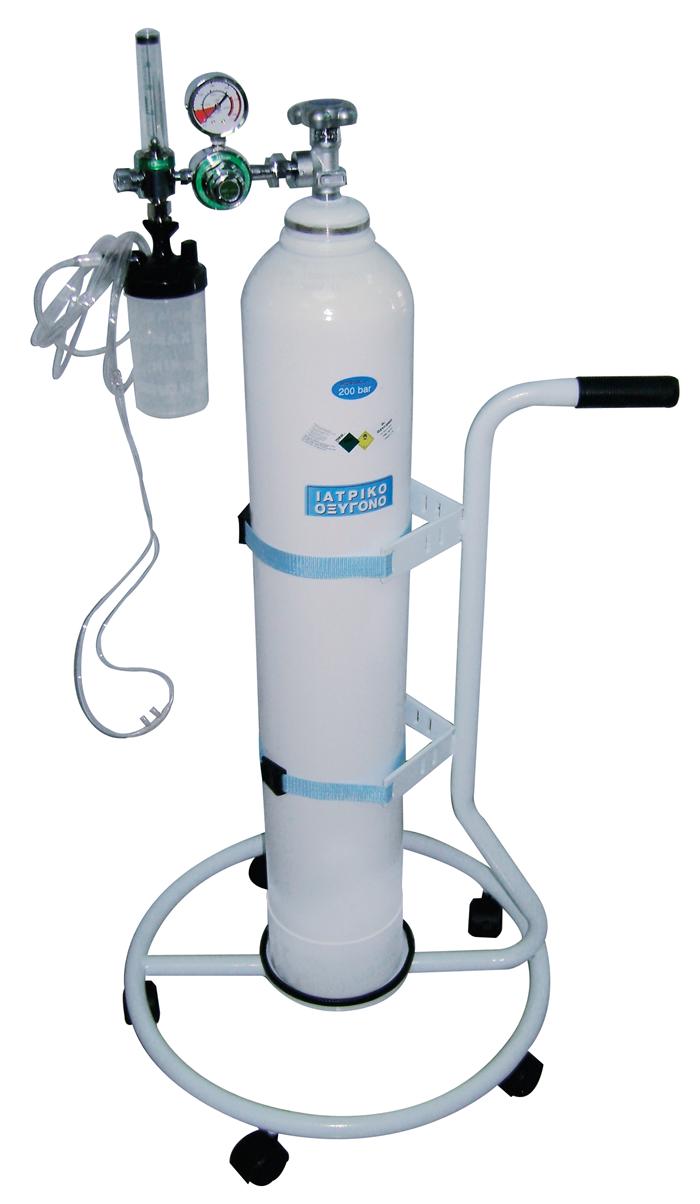
This step will explain how to operate your oxygen cylinder. Oxygen cylinders must be securely stored upright in a manner which prevents them from falling or being knocked over . TUHS neither provides nor controls the provision of health care.
Your emergency numbers should include 911 (or your area's emergency number), your health care provider, and your medical supply company. If you’re not sure whether oxygen is flowing, place the nasal cannula in a glass of water. Never smoke cigarettes around your oxygen tanks. Consider posting a no smoking sign to make sure others do not as well. They can tell you how often to change your tubing, cannula, and humidifier bottle, if you have one.
Find everything you need to know about home oxygen therapy from products, services, tips and more. This is a soft plastic tube with two small prongs at one end. They go in your nose, and the tube rests over your ears to hold it in place. The other end connects to your oxygen supply. Nationwide, online patient support program providing direct access to education, support and connection to others also living with chronic lung disease. Every week, wash you nasal cannula, clean your air filter and wipe the outside of your concentrator with soap and warm water.
In addition, oxygen tanks should be inspected regularly and tested for defects, leaks, and other signs of wear and tear. While oxygen therapy can be essential for personal health for many patients with respiratory illness, it can also be dangerous. Oxygen tanks are combustible making them potentially unsafe if not used properly. Also, daily oxygen use has to be followed carefully by the recommendation of your doctor to prevent oxygen toxicity.
Above all, do not allow anyone to smoke in your oxygen-rich environment. Always keep extra oxygen tubing and cannulas within easy reach in case either item becomes damaged during use. It’s not difficult to accidentally run a vacuum cleaner over a section of tubing, for example, and cut it. The first time your lung doctor brings up the topic of oxygen therapy, go home and have a conversation with family members about how this will affect your life. Let them know the oxygen will allow you to stay active and continue to do the things you enjoy doing with them. Every time you refill your humidifier bottle, wash it with soap and warm water, rinse well and refill with distilled water.





No comments:
Post a Comment