Table Of Content

There is little evidence suggesting that people with limited or no health issues benefit from consuming more biotin (1). All hair deserves to be treated well, but it’s common knowledge that color-treated hair needs additional TLC. K18’s mask promises to repair the damage within individual hairs in minutes using the brand’s signature peptide.
Meat
Whole Grains to Obtain BiotinWhole grains are rich in biotin along with iron, zinc and B vitamins. Biotin is required for cell proliferation and plays an important part in producing amino acids (protein) which are required for your hair to grow. Vitamin A plays an important role in cell growth and helps activate hair follicles. But you can find this important nutrient in fortified cereal, grains, and pastas, and in soybeans and lentils.
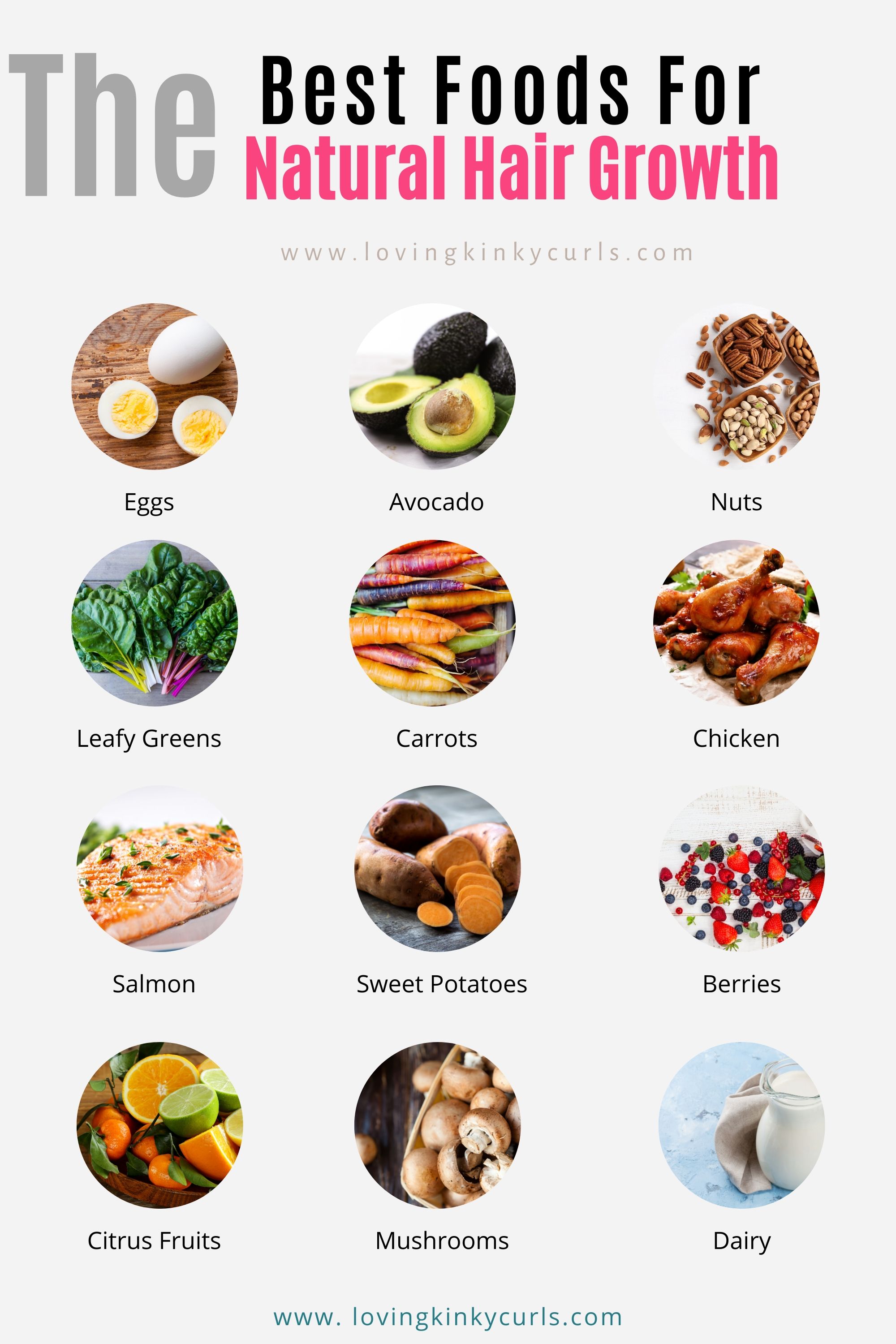
Best foods for hair growth
Sardines are filled with hair-boosting nutrients like omega-3 fatty acids which may reduce hair loss and increase hair density, and vitamin D which supports hair follicle development. The best type of diet to get all these nutrients every day without even thinking about it is the Mediterranean-style diet, which is packed with fiber-filled produce, 100% whole grains and healthy fats. This style of eating also includes foods to support your gut microbiome, and having a healthy gut flora is essential for helping with nutrient absorption to bolster the hair, skin and nails.
Important Foods That Support Hair Growth, Strength, and Health
Both Gomer and Yawitz say vitamin E is an antioxidant that helps prevent oxidative stress that may lead to hair loss, since it can help protect the hair follicles from damage. Potential deficiencies linked to hair health include vitamins B12, D, E, A, and biotin, riboflavin, folate, zinc, and iron. Greek yogurt is also rich in selenium, a mineral that can protect the hair follicle against oxidative damage, and vitamin B12.
Iron-Fortified Cereal to Prevent Loss
Omega-3s are a star nutrient when it comes to hair growth, and flax seeds are an easy way to get a vegan omega boost sans fish. Speaking of avocado toast, swapping out white refined carbohydrates for 100% whole grains can help you amp up the zinc, iron, and B vitamins in your diet to support healthy hair among many other benefits. Buckwheat, a whole grain, is a nutritious gluten-free seed that is filled with key antioxidants and fiber, which can help you fill up faster. Use it as a swap for oatmeal at breakfast or rice in a stir-fry, and try buckwheat-based Udon when making ramen or other noodle dishes.
"Our bodies produce collagen naturally, but it declines as we age, so it's important to supplement through diet." Organic bone broth or powder forms (that you can mix into smoothies or oatmeal) are great options. Like oysters, beans are a good source of zinc, which aids the hair growth and repair cycle. A 3.5-ounce (100-gram) serving of black beans provides up to 14% of a female’s daily zinc needs and 10% for males (30).
If you think you lack any of the nutrients that support hair growth, try adding some of these foods to your diet. And if you’re considering taking a supplement to address any nutritional deficiencies, make an appointment with your healthcare provider first. Finally, if you notice any hair loss and want to discuss your options with a licensed healthcare provider, we offer free consultations at Ro.
The Best Foods for Hair Growth, Per Hair and Nutrition Experts
Eggs are a good source of biotin, a mineral that may help boost hair growth. The health of your hair is complex and may depend on dietary, lifestyle and environmental factors. When it comes to meeting your nutritional needs in the most hair-healthy way, experts recommend food over supplements. Nutrients in foods are more easily absorbed by the body than those in supplements. Pulses are full of protein (for example, a cup of lentils has 18g protein) and contain folate, a B-complex vitamin vital for hair growth. In fact, a severe deficiency in folate can result in a condition called folate-deficiency anemia, which has symptoms like hair thinning and pigmentation changes in the hair.
The best foods for hair growth
FDA looking into reports of hair loss, suicidal thoughts in people using popular drugs for diabetes and weight loss - CNN
FDA looking into reports of hair loss, suicidal thoughts in people using popular drugs for diabetes and weight loss.
Posted: Thu, 04 Jan 2024 08:00:00 GMT [source]
Not to mention, the starchy vegetable supports gut health, acting as a prebiotic, by being a good source of soluble and insoluble fiber. For an upgrade, add a handful of berries, a pinch of chia seeds, and search for yogurt that's plain, organic, and from a grass-fed source. Antioxidants can help prevent damage to follicles from free radicals. Vitamin C also helps your body absorb iron, which is necessary for hair growth. They also provide a variety of B vitamins, zinc, and essential fatty acids.
Don’t overlook the importance of getting enough protein if you’re looking to bring on some hair growth. 'Normally, up to 10 percent of your hair follicles are dormant at any given time. But nutrient deficiencies can cause your hair follicles to prematurely transition out of their growth phase, resulting in a higher percentage of follicles that are dormant,' says Yawitz. This can make the hair slower to grow, or even increase the likelihood of hair loss. Obviously, there's no magic cure for this (or else all those hair growth devices and products wouldn't exist). Excessive hair fall can be mitigated by adjusting dietary habits, including incorporating superfoods into your diet for healthy hair growth.
She specializes in lifestyle topics, including home, health, parenting, beauty, style, food, entertaining, travel and weddings. She has written for Glamour, People, Good Housekeeping, Women's Health, Real Simple, Martha Stewart, Apartment Therapy, The Spruce, and more. Mounting scientific evidence is showing that you can eat your way to stronger, thicker, and shinier hair. Like eggs, whole grains are chock full of L-cysteine, as well as biotin and zinc. Vitamin D3 deficiency is a common issue globally, and it influences your hair, among other health concerns, according to Gaunitz. A 7-ounce serving of Greek yogurt covers over 40% of your daily needs for both B12 and selenium.
Oysters are an excellent source of zinc, with just two oysters covering 100% of your daily needs for this nutrient. Oysters also provide other nutrients important for hair health, including protein, B12, and selenium. Organ meats, such as beef liver, provide iron, zinc, and selenium, which are minerals that are involved in hair growth cycle regulation. Bell peppers are chock full of vitamins C and A and biotin, essential for keeping hair healthy. Bell peppers come in various colors, including red, yellow, green, and orange.
Ahead, Yawitz and Gomer share what nutrients are linked to hair growth and the best foods to eat that may help you get thick and healthy locks. However, supplements can provide a higher concentration of specific nutrients that may be hard or impossible to get from your diet, like vitamin D and omega-3 fatty acids. Before starting any supplement regimen, or if you've recently noticed significant hair loss, speak with your doctor. It's no wonder yogurt—which is loaded with protein, probiotics, and other important nutrients—is a common ingredient in DIY hair masks. In a study published by the Public Library of Science, mice given probiotic yogurt for 20–24 weeks developed thick, lustrous fur, with differences in fur luster observed as few as seven days into the experiment. Yogurt also contains vitamin B5 (known as pantothenic acid), which was shown to promote hair follicle growth in one study published in Life Sciences.
Flaxseeds provide a type of omega-3 fatty acid that is not used by the body as efficiently as the omega-3s found in fatty fish. In one older study, people with hair loss experienced 34.5% more hair growth after taking a vitamin E supplement for 8 months (17). However, there are only a handful of studies on omega-3 fatty acids and hair growth.



No comments:
Post a Comment